Home Blog Page 65

Relief rally beware: Middle East risk could hit your wealth

Relief rally beware: Middle East risk could hit your wealth

A small market relief rally on Monday following Iran’s 300-strong missile and drone strike on Israel at the weekend does not mean investors can sit back and relax.

This is the stark warning from Nigel Green, CEO of one of the world’s largest independent financial advisory and asset management organisations, as financial markets across the globe brace for Israel’s response to the Iranian attack which further fuelled tensions across the Middle East.

He comments: “US stock futures pushed higher on Monday after the Dow Jones Industrial average had its worst week of the year last week.

“Gold futures retracted a touch to trade at $2,360 an ounce, and oil prices were slightly lower.

“There seems to be an element of a slight relief rally because, so far at least, Israel’s Netanyahu appears to be following US President Joe Biden’s instruction not to retaliate and risk escalating the situation even further.

“However, the situation remains highly volatile and investors who are serious about protecting and growing their capital cannot now just sit back and relax.”

Besides the obvious and deeply worrying humanitarian crisis that is continuing to grow, one of the main areas of concern for investors, is that the Middle East, including Iran, is home to a significant portion of the world’s oil reserves, making it a critical player in the global energy market.

Any disruption in oil production or transportation due to conflicts in the region will have profound implications for energy prices worldwide. We have already seen prices surge in recent weeks.

“As we’ve seen, the mere possibility of such disruptions often leads to volatility in oil prices, which, in turn, cascades into broader market fluctuations.

“For investors, especially those with exposure to energy-related assets, or industries sensitive to oil prices, such as transportation and manufacturing, these fluctuations represent a direct threat to their portfolios,” says the deVere Group CEO.

Oil is the lifeblood of the global economy, serving as a primary source of energy for transportation, manufacturing, and various other industries. Virtually every sector of the economy relies on oil in some form, making it a fundamental commodity that underpins economic activity worldwide.

As such, the fluctuations in its price can have ripple effects across financial markets, impacting investor sentiment, corporate profits, and consumer spending.

Oil prices also have a direct impact on inflation, as they affect the cost of goods and services throughout the economy. Central banks closely monitor oil prices when formulating monetary policy, as changes in inflation expectations can influence interest rates and economic growth prospects.

“With, sadly, no end in sight just yet for the tensions to cool significantly in the region, global investors will be seeking refuge in sectors that are less sensitive to geopolitical risks or that may even benefit from such situations,” says Nigel Green.

“These are likely to include defence, energy, healthcare and infrastructure.”

Investors should conduct thorough research, diversify their portfolios, and consider their risk tolerance and investment objectives before making any investment decisions. Additionally, consulting with a financial advisor will provide personalized guidance based on individual circumstances and market conditions.

The deVere CEO concludes: “While a short-term relief rally may offer temporary respite, the underlying risks persist, underscoring the imperative for investors to remain vigilant, diversified, and adaptive to safeguard and to build wealth.

“This is not a time for complacency.”

Qatar Free Zones Authority and the Autonomous e-Mobility Forum Collaborate to Foster Innovation in Electric Vehicles Technology

Qatar Free Zones Authority and the Autonomous e-Mobility Forum Collaborate to Foster Innovation in Electric Vehicles Technology

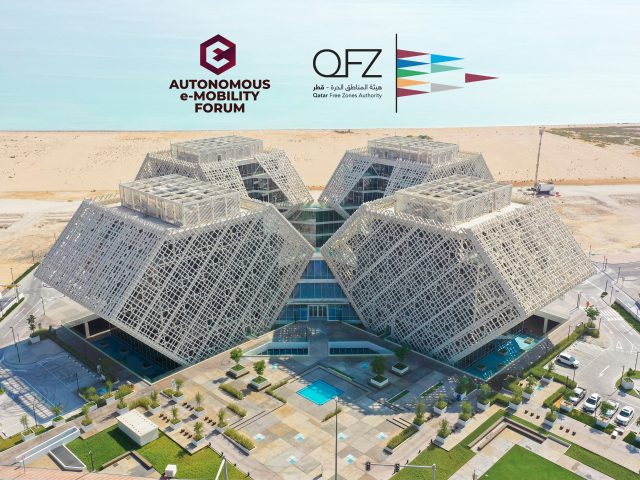
The Autonomous e-Mobility Forum (AEMOB) is proud to announce a strategic collaboration with the Qatar Free Zones Authority (QFZ), marking a milestone in the journey to advance the conversation on autonomous e-mobility on a global scale.

Scheduled to convene in Doha, Qatar from April 30th to May 2nd, 2024, the AEMOB Forum serves as a pioneering platform for international stakeholders in the realm of driverless e-mobility.

This collaboration represents a convergence of expertise and vision, harnessing QFZ’s unique position in facilitating trade and investment to propel the e-mobility ecosystem forward, and leveraging the strategic advantages of Qatar’s free zones to catalyze the development and deployment of next-generation e-mobility technologies.

Mr Abdulla Hamad Al Binali, QFZ’s Investor Relations & Technical Support Director, expressed his enthusiasm for the collaboration and expanded on QFZ’s role in the advanced mobility sector: “Our collaboration with the Autonomous e-Mobility Forum aligns with the framework of our vision to focus on emerging technology and contribute to achieving the goals of Qatar National Vision 2030, especially with regard to promoting economic diversification and technological innovation in the State of Qatar. QFZ sees the huge potential of e-mobility and is already a valuable platform to host the latest technologies, including electric and autonomous mobility. Therefore, we always aim to be at the forefront of digital future prospects, where new mobility solutions drive sustainable, smart cities and enhance environmental sustainability.  We are proud of working towards this alongside the Ministry of Transport and the Autonomous e-Mobility Forum.”

Mr. Ahmad Al Ansari, Executive Committee Member at AEMOB Forum, echoed these sentiments, adding: “The collaboration between AEMOB and Qatar Free Zones Authority is a testament to the commitment of both organizations to drive innovation and sustainable growth. By bringing together global expertise and resources, we aim to accelerate the adoption of electric vehicles and autonomous technologies, paving the way for a cleaner and more efficient transportation system. This partnership exemplifies our shared vision of creating a future where autonomous e-mobility is accessible, reliable, and environmentally friendly.”

This partnership represents a cornerstone for the AEMOB Forum 2024, serving as an opportunity for meaningful connections between industry leaders, policymakers, and innovators. Through collaborative efforts, the Forum and QFZ aim to accelerate the understanding of electric vehicles (EV) solutions, positioning Qatar as a global hub for exploring this transformative field.

Aligned with the goals of Qatar National Vision 2030, the alliance underscores QFZ and Forum’s commitment to enabling the conversation on sustainable development and shaping a future where autonomous e-mobility plays a central role.

Afreximbank delivers exceptional financial results in 2023 amidst a challenging operating environment, results well ahead of expectations

Afreximbank delivers exceptional financial results in 2023 amidst a challenging operating environment, results well ahead of expectations

African Export-Import Bank (“Afreximbank” or the “Group”) (www.Afreximbank.com) has released the consolidated financial statements of the Bank and its subsidiaries for the year ended 31 December 2023.

Largely propelled by the Bank’s and its subsidiaries’ growth, the Group’s results for the financial year ended 31 December 2023 demonstrate a strong and resilient performance, surpassing prior year results and well ahead of expectations. The Bank remained steadfast in implementing its 6th Strategic Plan and delivering value to stakeholders, and this resulted in the Group ending the year, once again, achieving a solid performance and attaining an exceptional financial position.

It is noteworthy that this performance has been enhanced by the Group’s ability to successfully execute its four strategic pillars focused on “Promoting Intra-African Trade,” “Facilitating Industrialization and Export Development,” “Strengthening Trade Finance Leadership” and “Improving Financial Performance and Soundness”.

Net interest income reached US$1.4 billion at the end of the 2023 financial year, compared to US$910.3 million in 2022. The 58.67% increase was driven by the growth in interest income, which in turn was driven primarily by the growth in the Bank’s portfolio of loans and advances. Net Interest Margin grew to 4.96% compared to the prior year’s level of 3.83%.

Due to global inflationary pressures and investment in human capital to support increased business activities, the Group’s total operating expenses were US$304.5 million, 34.93% higher than in 2022. The capacity expansion and rise in expenditures were envisaged in the five-year Sixth Strategic Plan, which is currently under implementation until December 2026.

The Group’s Total assets grew by 20.12% to US$33.5 billion (FY2022: US$27.9 billion), largely on account of increases in net loans and advances to customers and cash and cash equivalents.

The Group Shareholders’ funds, which largely mirrored the Bank’s Shareholders’ funds, recorded a solid growth of 17.55% to reach US$6.1 billion as of December 31, 2023, compared to the FY’2022 position of US$5.2 billion. Accounting for this growth were the US$546.8 million retained income (which is net of appropriated 2022 dividends) and the US$349.8 million fresh equity raised during the year as shareholders supported the GCI II programme, which aims to raise US$2.6 billion paid-in-capital (US$3.9 billion callable capital) by 2026.

Mr. Denys Denya, Afreximbank’s Senior Executive Vice President, commented:

“During the 2023 financial year, the Afreximbank Group exceeded the budget and significantly surpassed its 2022 performance. This outcome was mainly driven by the Bank’s and its subsidiaries’ achievements. Our focus is steadfast on fueling industrial growth, boosting trade within Africa, and promoting exports with added value, which are crucial for the continent’s prosperity. We will continue to maintain a cautious balance between profitability, liquidity, and safety to ensure a decent net interest margin and deliver profitable and sustainable growth and quality assets. We are delighted to report results well above forecasts for the financial year ended 31 December 2023, and look forward to delivering stronger financial outcomes in 2024.”

In 2023, the Bank was ranked number one in all three categories in the Bloomberg Capital Markets League Tables Report for African Capital Markets – number one Mandated Lead Arranger, Bookrunner and Administrative Agent for Sub-Saharan Borrower Loans. This is a testament to the Bank’s leadership role in facilitating capital from within and outside the continent.

Additionally, its subsidiary, the Fund for Export Development in Africa (FEDA), received multilateral support from Zimbabwe, Kenya, Congo, Chad, Gabon, Sierra Leone, and São Tomé and Príncipe, who officially signed the FEDA Establishment Agreement. This collective support is pivotal in the Bank’s mission to provide lasting financial support to African economies.

The Bank also celebrated a key milestone — its 30th anniversary, marking three decades of financing and supporting trade in Africa and highlighting the need for Africa to enhance intra-African trade and integration amidst the challenges stemming from the global shocks caused by the COVID-19 pandemic, the adverse economic ramifications of the Ukraine crisis, and other global conflicts.

Moreover, the Bank inaugurated its Afreximbank Caribbean Office, a pivotal step in supporting the implementation of the Partnership Agreement between Afreximbank and the Caribbean Community (CARICOM) member states. This expansion solidifies Afreximbank’s commitment to promote and develop trade between Africa and the Caribbean, aligning with its Diaspora Strategy and the African Union’s designation of the African Diaspora as Africa’s sixth region.

Despite Africa’s economic challenges and constraints, Afreximbank’s management and team demonstrated a focus on supporting member countries by offering customized programmes and facilities designed to address the continent’s distinctive needs. These efforts and interventions assisted member countries in meeting trade finance commitments, assessing crucial imports, boosting food security and commodity production, alleviating supply chain bottlenecks, and adjusting to challenges arising from climate change.

Highlights of the results for the Group and Bank are shown below:

 Financial Metrics  FY-2022  FY-2023
 Gross Income (US$ billion)  1.50  2.62
 Operating Income (US$ billion)  1.03  1.60
 Net Income (US$ billion)  455.3  756.1
 Total Assets (US$ billion)  27.86  33.47
 Total Liabilities (US$ billion)  22.66  27.35
 Shareholders’ Funds (US$ billion)  5.21  6.12
 Net asset value per share  US$58,500  US$63,683


 FY-2022  FY-2023
 Profitability

Return on average assets (ROAA)

Return on average equity (ROAE)

 1.87%

9.91%

  2.56%

13.31%

 Operating Efficiency

Net interest margin

Cost-to-income ratio

  3.83%

21.88%

 4.96%

19.09%

 Asset Quality

Non-performing loans ratio (NPL)

3.40%  2.47%
 Liquidity and capital adequacy

Cash/Total assets

Capital Adequacy ratio (Basel II)

14.71%

27.62%

16.80%

23.77%

Distributed by APO Group on behalf of Afreximbank.

FORWARD-LOOKING STATEMENTS:
The Bank makes written and/or oral forward-looking statements, as shown in this presentation and other communications, from time to time. Likewise, officers of the Bank may make forward-looking statements either in writing or during verbal conversations with investors, analysts, the media, and other key members of the investment community. Statements regarding the Bank’s strategies, objectives, priorities, and anticipated financial performance for the year constitute forward-looking statements. They are often described with words like “should”, “would”, “may”, “could”, “expect”, “anticipate”, “estimate”, “project”, “intend”, and “believe”.

By their very nature, these statements require the Bank to make assumptions subject to risks and uncertainties, especially uncertainties related to the financial, economic, regulatory, and social environment within which the Bank operates. Some of these risks are beyond the control of the Bank and may result in materially different results from the expectations inferred from the forward-looking statements. Risk factors that could cause such differences include regulatory pronouncements, credit, market (including equity, commodity, foreign exchange, and interest rate), liquidity, operational, reputational, insurance, strategic, legal, environmental, and other known and unknown risks. As a result, when making decisions with respect to the Bank, we recommend that readers apply further assessment and should not unduly rely on the Bank’s forward-looking statements.

Any forward-looking statement contained in this presentation represents the views of management only as of the date hereof. They are presented to assist the Bank’s investors and analysts to understand the Bank’s financial position, strategies, objectives, priorities, and anticipated financial performance in relation to the current period, and, as such, may not be appropriate for other purposes. The Bank does not undertake to update any forward-looking statement, whether written or verbal, that may be made from time to time by it or on its behalf, except as required under applicable relevant regulatory provisions or requirements.


Minister of International Cooperation H.E. Dr. Rania A. Al-Mashat Meets with the Korean Ambassador to Egypt on Further Development of Joint Economic Relations

Minister of International Cooperation H.E. Dr. Rania A. Al-Mashat Meets with the Korean Ambassador to Egypt on Further Development of Joint Economic Relations

Discussing the 2024 Korea-Africa Summit scheduled to be held to strengthen the strategic partnership between South Korea and the continent

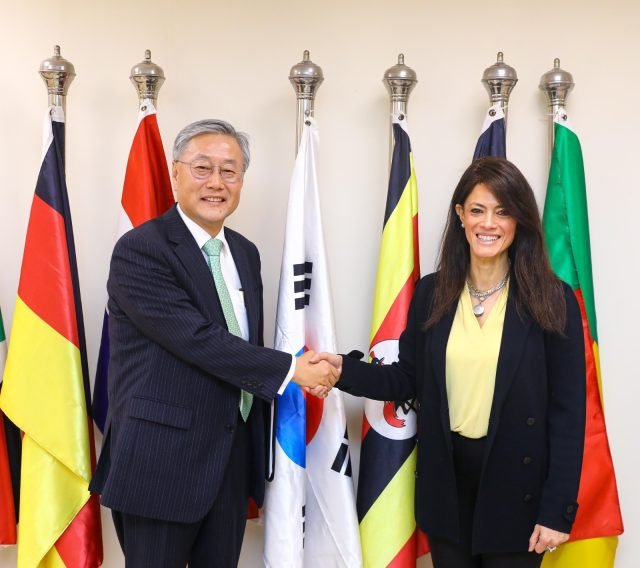
The Minister of International Cooperation H.E. Dr. Rania A. Al-Mashat met with Mr. Kim Young-hyun, Ambassador of the Republic of South Korea to Egypt, at the headquarters of the Ministry of International Cooperation in the New Administrative Capital, as part of the meetings H.E. is holding with multilateral and bilateral development partners, to further develop joint economic relations, reflecting on continuing efforts to develop development cooperation frameworks.

At the beginning of the meeting, the Minister expressed Egypt’s appreciation for the joint economic relations with South Korea, which reflect the depth and strength of relations between the two friendly countries, as the development of these relations was reflected in the visit of H.E. President Abdel Fattah El-Sisi to South Korea, and the choice of Egypt as a strategic partner at the level of development cooperation plans for the period from 2022-2026, which will enhance efforts to develop joint relations between the two countries to meet the requirements and priorities of development in Egypt.

During the Korean President’s visit to Egypt in January 2022, Egypt and South Korea signed a memorandum of understanding worth $1 billion within the framework of development cooperation between the two countries, including financial cooperation with the Korea Economic Development Cooperation Fund (EDCF) from 2022 to 2026.

The two sides discussed various aspects of enhancing joint cooperation and increasing investments by Korean companies in implementing national projects in Egypt, especially infrastructure, energy, industry, railways, and technology. They also stressed their renewed commitment to strengthening and developing bilateral relations between the two countries in all fields, and keenness to build a better future for both countries.

In this regard, the Minister highlighted the government’s readiness to provide all forms of support to achieve the success of these projects, enhance bilateral cooperation between the two countries, and motivate Korean companies to increase their investments in Egypt.

For his part, the Korean ambassador applauded the joint relations with Egypt, pointing to the efforts made by the government to encourage more Korean companies to invest in Egypt. He also affirmed his support for these efforts in light of Egypt’s great position that makes it a gateway to the continent of Africa.

The two sides also touched on the Korea-Africa Summit, which is a new initiative launched by South Korea to support cooperation with the continent in light of global challenges, especially in terms of food security, climate challenges, and supply chain problems, especially given Egypt’s strategic position in the continent. The Korean ambassador confirmed his country’s endeavor to launch a strategic partnership with the continent of Africa based on three pillars: enhancing trade and investment to achieve economic development, confronting global challenges such as climate change and food security, and promoting peace, security and cooperation in international forums.

It is worth noting that South Korea is considered one of Egypt’s most important Asian development partners, as economic relations began in 1987, and the size of the development cooperation portfolio amounts to $1.3 billion, including about $85 million in development grants through the Korean International Cooperation Agency (KOIKA) in the fields of higher education, vocational training, information technology, establishing an electronic system for government procurement, economic empowerment of women, and combating violence. Moreover, soft development funds vary in the fields of railways, manufacturing of metro train cars, programs for transferring expertise and knowledge, and programs for developing the capabilities of government cadres.

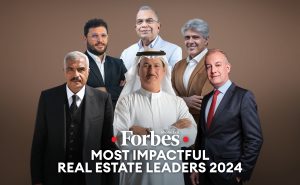
Forbes Middle East Presents The Middle East’s Most Impactful Real Estate Leaders 2024

Forbes Middle East Presents The Middle East’s Most Impactful Real Estate Leaders 2024
مصر الجديدة للإسكان والتعمير

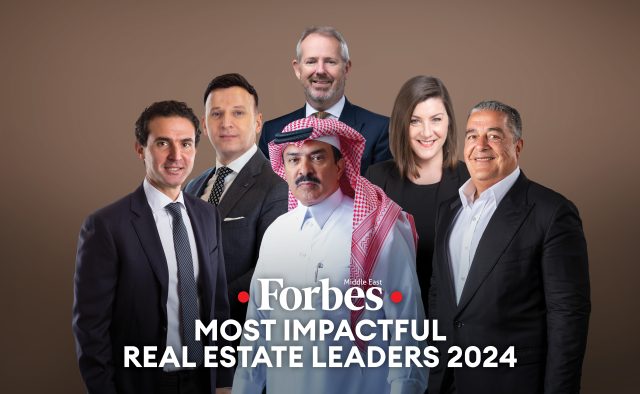
Forbes Middle East has revealed its ‘Most Impactful Real Estate Leaders’ ranking, spotlighting the 100 innovation-driven regional developers building for the future. The ranking was developed based on the company’s financials, the value of projects completed, projects under construction, the reputation of project delivery, and the size of the landbank and units held by the developer.

Mohamed Alabbar, Founder and Managing Director of Emaar Properties in the U.A.E. topped the list, with total assets of $37.3 billion as of the end of September 2023. Emaar Properties is one of the largest publicly-listed real estate companies by assets in the GCC. Talal Al Dhiyebi, Group CEO of Abu Dhabi-based Aldar Properties placed second, with $19.3 billion total assets as of September 2023. NEOM CEO Nadhmi Al-Nasr rounded up the top three.

The developers featured on this list represent nine countries in the region. The U.A.E. leads with 33 companies on the list, six of which are in the top 10. 23 are headquartered in Saudi Arabia, followed by 20 in Egypt.

Operating for over 118 years, Egypt’s Heliopolis Company for Housing and Development is the oldest entry. Founded in 1906, CEO and Managing Director Sameh El Said was appointed to his current position in August 2023. In the first nine months of 2023, the company recorded total assets worth $146.7 million and revenues worth $12.9 million. In contrast, Bahrain’s Infracorp, led by CEO Majed Abdulla Al Khan, is the youngest listee established in 2022. It amassed $26.9 million in net profits and had total assets of $1.6 billion, by the end of September 2023.

Top 100 Most Impactful Real Estate Developers In The Middle East 2024: Country Breakdown
U.A.E. 33 Kuwait 7 Oman 3
Saudi Arabia 23 Qatar 6 Jordan 2
Egypt 20 Bahrain 4 Morocco 2

Top 10 Most Impactful Real Estate Leaders In The Middle East 2024

1 | Mohamed Alabbar

Founder & Managing Director, Emaar Properties

Country: U.A.E.

Established: 1997

2 | Talal Al Dhiyebi

Group CEO, Aldar Properties

Country: U.A.E.

Established: 2005

3 | Nadhmi Al-Nasr

CEO, NEOM

Country: Saudi Arabia

Established: 2019

4 | Hesham Al Qassim

CEO, Wasl

Country: U.A.E.

Established: 2008

5 | Abdullah bin Hamad Al Attiyah

CEO, Qatari Diar

Country: Qatar

Established: 2005

6 | Hussain Sajwani

Founder & Chairman, DAMAC Properties

Country: U.A.E.

Established: 2002

7 | David Grover

Group CEO, ROSHN Group

Country: Saudi Arabia

Established: 2020


8 | Naaman Atallah

Group CEO, Nakheel

Country: U.A.E.

Established: 2001

9 | Hisham Talaat Moustafa

CEO & Managing Director, Talaat Moustafa Group Holding  

Country: Egypt

Established: 1970

10 | P.N.C. Menon

Founder & Chairman, Sobha Realty  

Country: U.A.E.

Established: 1976

Click here to view the complete list of The Middle East’s Most Impactful Real Estate Leaders 2024.

MOIAT LAUNCHES ITTI USE-CASE GUIDE ON INDUSTRIAL BEST PRACTICES TO DRIVE I4.0 TRANSFORMATION

MOIAT LAUNCHES ITTI USE-CASE GUIDE ON INDUSTRIAL BEST PRACTICES TO DRIVE I4.0 TRANSFORMATION

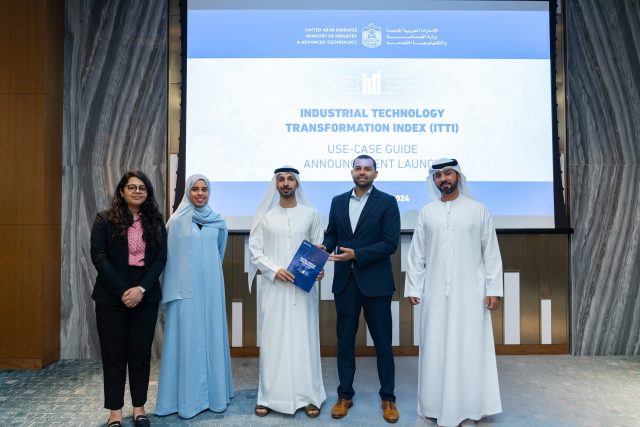
The Ministry of Industry and Advanced Technology (MoIAT) has launched the Industrial Technology Transformation Index (ITTI) Use-Case Guide to provide manufacturers and key stakeholders with insights and recommendations on key Industry 4.0 technologies and sector-specific sustainability initiatives.

With findings derived from ITTI assessments, the comprehensive guide encompasses more than 90 high-impact use cases prioritized from over 1,530 Industry 4.0 applications and sustainability initiatives presenting a potential market opportunity of AED 1.5 billion, as well as advanced technology trends, from nine priority sectors within the UAE’s industrial landscape.

The initiative aligns with the objectives of the National Strategy for Industry and Advanced Technology “Operation 300Bn” to boost innovation by accelerating advanced technology adoption across the industrial value chain, as well as support the growth of local industries and enhance their global competitiveness.

His Excellency Dr. Sultan bin Ahmed Al Jaber, Minister of Industry and Advanced Technology, said: “In line with the vision of the UAE’s leadership, we are committed to supporting the growth of the industrial and technological sectors. This includes establishing an enabling ecosystem with a strong legal framework, competitive incentives and investment opportunities. In addition, the ministry is helping to build an environment that enhances the competitiveness of national industries, raising their contribution to GDP.”

He added: “At the Ministry of Industry and Advanced Technology, we are developing and launching initiatives aimed at promoting the adoption of AI applications in industry. We are pleased to launch the Industrial Technology Transformation Index Use-Case Guide, a unique tool that helps industrial leaders in the UAE develop strategies and make decisions that enable them to accelerate their technological transformation and implement Fourth Industrial Revolution solutions such as AI and IoT. The new guide promotes innovation and aims to boost the role of technology in shaping the future of industry.”

Her Excellency Sarah AlAmiri, Minister of State for Public Education and Advanced Technology  said: “The ITTI Use-Case Guide is an important step in empowering our industry leaders to make informed decisions, creating pathways for a more innovative and sustainable manufacturing future. Over 92% of ITTI-assessed companies have adopted sustainability initiatives and 32% of manufacturers have implemented advanced Industry 4.0 use cases, which demonstrates a growing sector, and presents companies – particularly SMEs – with an opportunity to enhance performance and efficiency in line with local and global best practices.”


She added: “The ministry, through the Technology Transformation Program (TTP) is committed to driving technology adoption by building capability, sharing knowledge, providing incentives and fostering a conducive environment for experimentation. This contributes to the development of the industrial sector and is aimed at enhancing the UAE’s position as a global hub for advanced industries.”

Launched during a masterclass for C-Suite leaders from the UAE’s largest industrial companies and SMEs alongside tech providers and academia, the ITTI Use-Case Guide, is aimed at showcasing the successful implementation of Industry 4.0 technologies across the national sector through transformative, high-impact Industry 4.0 use cases.

The masterclass, titled ‘The Innovation Imperative: Future-Proofing Your Manufacturing with Cutting-Edge Tech’, hosted by the ministry at its Dubai headquarters with peer stakeholders in attendance, discussed top use cases, actionable strategies, problem-solving insights, and cutting-edge technologies.

During the event, participants discussed opportunities and potential challenges relating to integrating innovative use cases into their operations.

Developed based on meticulous assessment reports, the guide details sector-specific Industry 4.0 use cases in 20 charters, laying the foundation for manufacturers in the UAE to drive digital transformation and unlock opportunities in the market. The ITTI Use Case Guide sheds light on upcoming Industry 4.0 use cases with top potential market opportunities including ‘Predictive Maintenance for Shopfloor Machinery’ and ‘Automating Enterprise Processes Using RPAs’ amongst others.

The ITTI was launched under the Technology Transformation Program in February 2023 with the aim of empowering companies to begin and accelerate their digital transformations. It is a comprehensive tool for measuring a plant’s digital and sustainability maturity, and providing a customized roadmap for smarter, more sustainable production. The index, developed alongside the Abu Dhabi Department of Economic Development (ADDED), measures Industry 4.0 and sustainability readiness to drive decarbonization and sustainability in line with the UAE Net Zero by 2050 strategic initiative.

The Use-Case Guide can be accessed here: https://www.moiat.gov.ae/-/media/site/moiat/public/ittiusecaseguide.ashx

EBRD approves new country strategy for Morocco

EBRD approves new country strategy for Morocco

The Board of Directors of the European Bank for Reconstruction and Development (EBRD) has approved its country strategy for Morocco for the period 2024 to 2029. It focuses on three key priorities identified in cooperation with the Moroccan government:

  • support the shift to a more private-sector-led economy by enhancing competitiveness and promoting Morocco’s governance reform agenda
  • strengthen social cohesion and reduce regional disparities for more inclusive growth
  • accelerate Morocco’s green economy transition through more sustainable energy, water and infrastructure.

Antoine Sallé de Chou, the EBRD’s Head of Morocco, said: “The adoption of the new strategy is a key milestone for the Bank and Morocco. It will guide our investments and policy dialogue over the coming five years to help deliver inclusive and sustainable economic growth in the country.”

The new strategy aims to support Morocco in its shift to a private-investment-led economy induced under its New Development Model. To achieve this, the EBRD will use its financing tools and advisory initiatives to help Moroccan corporates and small and medium-sized enterprises (SMEs) integrate further into global value chains and develop capital markets. It will also promote deeper regional integration and help the country anchor its position as a gateway to Africa. In addition, the Bank will assist the authorities in their comprehensive reform of state-owned enterprises and support the expansion of its promising public-private partnerships programme.

The strategy pays particular attention to ensuring that growth benefits everyone, and particularly improve women and youth economic inclusion, which is still too low. Through its investment and policy programmes, the Bank will seek to improve access to finance and advisory for women and young entrepreneurs, as well as to reduce skills mismatches. It will also seek to reduce regional disparities and support the provision of critical infrastructure services and economic opportunities in the regions affected by the 8 September 2023 earthquake.

Lastly, the new strategy seeks to accelerate Morocco’s green economy transition, building on the country’s positive momentum. Given the increasingly urgent need to manage water resources efficiently, the Bank will look for opportunities to finance and promote water projects that promote conservation, improve water management and address scarcity. Energy transition, a scaling-up of renewable energy and climate adaptation measures are other areas in which Morocco will be encouraged on its path towards carbon neutrality.

During the previous strategy period the Bank deployed €1.6 billion to help realise Morocco’s entrepreneurial potential; invested €730 million in key infrastructure projects; provided €700 million for the sustainability and commercialisation of public services and infrastructure; and invested €100 million to advance capital markets development.

The new country strategy was approved by the Bank’s Board of Directors after a comprehensive consultation period and reflects feedback from shareholders, the Moroccan authorities, the private sector and civil society.

Morocco is a founding member of the EBRD. The Bank began operating there in 2012 and has since invested more than €4.5 billion in 102 projects, of which 76 per cent are in the private sector.

Islamic Treasury Sukuk Continue to Achieve Exceptional Results

Islamic Treasury Sukuk Continue to Achieve Exceptional Results

The United Arab Emirates, represented by the Ministry of Finance (MoF) as the issuer, in collaboration with the Central Bank of the UAE (CBUAE) as the issuing and paying agent, has announced the results of the Islamic Treasury Sukuk (T-Sukuk) auction, which is part of the Islamic T-Sukuk issuance programme for Q1 2024 as published on the ministry’s website.

The auction witnessed a strong demand through the eight primary dealers for the 3-year and 5-year tranches of the Islamic T-Sukuk, with bids received worth AED7.83 billion and an oversubscription by 7.1 times. The success is reflected in the attractive market driven prices, which was achieved by a spread of 4 bps over the US Treasuries with similar maturities.

The Islamic T-Sukuk issuance programme will contribute to building the UAE dirham denominated yield curve, providing safe investment alternatives for investors, strengthening the local debt capital market, developing the investment environment, as well as supporting sustainable economic growth.

For more information, please visit https://mof.gov.ae/federal-debt-management-office/.

Valu Closes its Eighth Securitization worth EGP 888 Million

Valu Closes its Eighth Securitization worth EGP 888 Million

Valu, MENA’s leading universal financial technology powerhouse, announced today that it has closed its eighth securitized bond issuance worth EGP 888 million. The issuance is part of the approved extended program worth EGP 9.0 billion.

The bond is backed by a receivables portfolio assigned to EFG for Securitization, the issuance’s special purpose vehicle (SPV), and is comprised of two tranches:

  • Tranche A – Valued at EGP 639.4 million, with a 6-month bond tenor, a Prime 1 (sf) rating, and a fixed interest rate.
  • Tranche B – Valued at EGP 248.6 million, with a 12-month bond tenor, a Prime 2 (sf) rating, and a fixed interest rate.

Shokry Bidair, CFO of Valu, said, “We are excited about the latest securitized bond offering, which signifies a major milestone in our strategic journey. With the successful closure of our eighth securitization issuance in partnership with EFG Hermes, we are taking a significant step towards sustainable growth and expanding our ability to deliver diverse and innovative financial services to our clients. This offering builds on our past successes and sets the stage for us to explore new and innovative ways to access the debt capital market, supporting our ambitious growth objectives. By strengthening our financial base, we are reaffirming our commitment to cementing Valu as a leading financial technology powerhouse, delivering comprehensive financial solutions tailored to meet the evolving needs of our customers.”

Valu, is revolutionizing the financial landscape in Egypt by enriching the lives of millions with its cutting-edge offerings. The company’s flagship BNPL platform ‘U’ and a diverse array of investment products, such as the AZ Valu fund and EFG Hermes ONE, are empowering customers to achieve their financial goals with ease. In addition to these services, Valu continues to introduce innovative solutions to meet its customers’ evolving needs. From the instant cash redemption program Sha2labaz to the convenient savings solution Akeed and the luxury financing program Ulter, Valu is committed to providing comprehensive financial services tailored to enhance the customer experience. Recently, Valu has unveiled its co-branded credit card and prepaid card in partnership with Visa, expanding its range of offerings to provide greater financial flexibility and convenience to its customers.

Maie Hamdy, Managing Director – Debt Capital Markets at EFG Hermes, commented on the transaction, saying, “We are thrilled to be a part of Valu’s continued success story. This latest transaction not only underscores our dedication to providing innovative financial solutions but also showcases the exceptional collaboration between our teams at EFG Holding. We are thrilled to play a pivotal role in fueling Valu’s remarkable growth trajectory, and we eagerly anticipate the boundless opportunities that lie ahead for our dynamic partnership.”

EFG Hermes was the sole financial advisor and sole transaction manager. EFG Hermes and Arab African International Bank (AAIB) also acted as the issuance’s underwriters. African International Bank (AAIB) also acted as the custodian bank. Arab Banking Cooperation (ABC), and Al Ahli Bank of Kuwait (ABK) were within the subscribers to the issuance. Dreny & Partners acted as the legal advisor. Baker Tilly acted as the transaction’s auditor.

ADGM 2024 Growth Outlook: Over 70% of Companies in ADGM Plan Workforce Expansion in 2024

ADGM 2024 Growth Outlook: Over 70% of Companies in ADGM Plan Workforce Expansion in 2024

Abu Dhabi Global Market (ADGM), the international financial centre (IFC) of Abu Dhabi, stands as a testament to the vision and ambition that drive the United Arab Emirates (UAE) and the wider region’s economic landscape. A recent comprehensive survey conducted among the ADGM community offers a window into the promising outlook for ADGM in 2024.

The survey results indicate a strong growth trajectory in several sectors, with Asset Management poised to take the lead, as 18.56% of respondents recognise its significant growth potential. Following closely are the Fintech and the fields of Digital Assets, Blockchain, and Distributed Ledger Technology (DLT), with 17.08% and 16.83% of stakeholders banking on their rise, respectively. These sectors are reinforced by the growing interest in Sustainable Finance and Private Banking and Wealth Management, which are also projected to experience substantial growth. Furthermore, Professional Services are forecast to continue their upward trend, rounding out the sectors set for expansion within the dynamic financial landscape of the IFC.

ADGM’s Unique Position as a Premier IFC

The survey shed light on the unique attributes that define ADGM’s appeal as a business hub. Notably, 21.35% of participants acknowledged the robust regulatory environment as a cornerstone of ADGM’s competitive edge. The market’s strategic location was also highlighted by 19.66% of the survey pool, underlining ADGM’s role as a strategic gateway for tapping into the MEASA region and beyond. The multitude of networking opportunities (17.04%), the exceptional quality of life (14.98%), and the diverse community (14.04%) were also recognised as key strengths that contribute to ADGM’s position as an attractive business destination. In addition, the availability of a skilled workforce, acknowledged by 11.24% of respondents, emphasises the market’s capacity for attracting and fostering professional talent.

Anticipated Employment Surge in ADGM

A total of 70.81% of companies anticipate expanding their workforce in ADGM during 2024, with 29.93% expecting significant increases and 40.88% planning moderate growth in staffing. This collective optimism underscores Abu Dhabi’s robust economic health and the strong confidence within the business community in the IFC’s conducive business environment.

Business Community Confidence in ADGM

The confidence in ADGM is further reinforced by the readiness of the business community to recommend the IFC to businesses. An impressive 97.08% of business leaders express a positive inclination towards endorsing ADGM. Among them, 71.53% are ‘Highly likely’ and an additional 25.55% consider themselves ‘Likely’ to recommend it. This substantial majority reflects the strong confidence in which ADGM’s world-class regulatory framework, advanced infrastructure, and exceptional business opportunities held within the global business community. Moreover, this is a clear reflection that ADGM’s comprehensive approach to fostering a supportive, innovative, and thriving business environment is clearly resonating with the global business community, positioning it as a leading IFC and a hub of economic activity for the future.

Abu Dhabi a City Known for Safety, Stability and Quality of Life

A combined 78.84% of respondents endorse Abu Dhabi’s overall liveability positively. This endorsement highlights the city’s effectiveness in delivering an outstanding quality of life, supported by superior infrastructure, affordable living costs, and luxurious community facilities. Additionally, Abu Dhabi’s achievement in being ranked as the world’s safest city for the 8th consecutive year further underlines its excellence in ensuring the security and well-being of its residents, making it an even more attractive destination for both expatriates and nationals.