
Home Blog Page 50

Rania A. Al-Mashat continues her meetings with the private sector and investors during her visit to Washington, USA.

The Minister of Planning, Economic Development, and International Cooperation continues her meetings with the private sector and investors during her visit to Washington, USA.

H.E. Dr. Al-Mashat holds an extensive meeting with the US Chamber of Commerce, attended by a distinguished group of investors and companies from various sectors.

Minister of Planning, Economic Development, and International Cooperation:

* The government has implemented structural reforms to enhance competitiveness and strengthen macroeconomic stability.

* We invite US companies to take advantage of investment opportunities in the Egyptian market.

* We are working with the World Bank and relevant authorities to develop a strategy to encourage foreign direct investment.

* Despite the impact of regional tensions, Egypt is determined to bolster economic stability and prepare the economy for local and foreign private sectors.

* We are implementing programs with the International Finance Corporation to enhance private sector participation in priority development sectors.

* Egypt’s accession to the BRICS group adds a new dimension to its international partnerships, fostering economic development and addressing emerging challenges.

* We are working towards integrating local resources and international partnerships to advance economic development efforts in Egypt.

H.E. Dr. Rania A. Al-Mashat, Minister of Planning, Economic Development, and International Cooperation, called upon US companies and investors to learn about the constructive economic and structural reforms undertaken by the government to enhance macroeconomic stability, aiming to increase investment partnerships between the two countries and strengthen efforts supporting development in Egypt while opening significant avenues for American companies across various fields.

This statement came during H.E.’s participation in an extensive meeting with the US Chamber of Commerce in Washington, within the 2024 Annual Meetings of the World Bank Group, alongside Minister of Investment and Foreign Trade, Hassan Khateeb, Minister of Finance, Ahmed Koshok, Ambassador Motaz Zahran, Egypt’s Ambassador to the United States, Vice President at the US Chamber of Commerce Khush Choksy, Executive Director for the Middle East, Steve Lutes, and Assistant to CEO of the AmCham in Egypt, Hisham Fahmy.

The meeting featured constructive discussions between the Egyptian delegation and a select group of US companies and investors eager to learn about the current economic situation in Egypt.

H.E. Minister Al-Mashat highlighted the ambitious structural reforms that Egypt has implemented over recent months in collaboration with development partners such as the World Bank, the European Union, the African Development Bank, and the United Kingdom to enhance competitiveness, improve the business environment, and strengthen macroeconomic stability.

H.E. Dr. Al-Mashat explained that the structural reform program is being implemented through integrated efforts with various international parties and national entities, based on three main pillars: enhancing macroeconomic resilience, creating a conducive business environment to attract investments, and transitioning to a green economy. H.E. noted the positive impacts of these reforms on several aspects, including supporting competitiveness, improving the business environment, enhancing public financial efficiency, and establishing a debt ceiling, ultimately contributing to greater economic stability.

H.E. Dr. Al-Mashat emphasized the Egyptian state’s commitment to achieving policy integration to strengthen economic development efforts and foster constructive partnerships between the public and private sectors, while allowing for local and foreign investment. H.E. mentioned the ministry’s coordination with the World Bank and relevant authorities in Egypt to develop a national strategy for foreign direct investment that identifies national priorities, aiming to build a competitive economy attractive to investments and leverage Egypt’s substantial economic advantages.

H.E. Minister Al-Mashat also discussed ongoing efforts with the International Finance Corporation to enhance partnerships with the private sector in priority sectors, such as health, to utilize its capabilities for improving the system and enhancing services provided to citizens.

H.E. Dr. Al-Mashat reaffirmed that despite the escalating geopolitical tensions in the region, Egypt is determined to enhance macroeconomic stability through promoting reforms and improving the business environment to attract investments across various sectors.

H.E. Minister Al-Mashat highlighted the Ministry of Planning, Economic Development, and International Cooperation’s efforts to achieve integration with development partners, capitalizing on each partner’s comparative advantages. H.E. noted that Egypt’s accession to the BRICS group adds a new dimension to its international partnerships, promoting economic development and enabling it to address developmental challenges, alongside coordinating and integrating local resources with international partnerships to advance economic development efforts in Egypt.
e& completes acquisition of controlling stake in PPF Telecom, diversifying portfolio footprint into Central and Eastern Europe

e& completes acquisition of controlling stake in PPF Telecom, diversifying portfolio footprint into Central and Eastern Europe

e& and PPF Group (“PPF”) today announced the successful completion of their landmark partnership, with e& acquiring a controlling stake (50% plus one economic share) in the service and infrastructure companies of PPF Telecom Group (“PPF Telecom”) across Bulgaria, Hungary, Serbia and Slovakia. This acquisition marks a significant step in e&’s ongoing global expansion ambitions, diversifying and growing its geographical presence to 38 countries.

This milestone is poised to transform the telecom landscape in the Central and Eastern Europe (CEE) region and deliver enhanced value to over 10 million customers across the four markets. The partnership will provide them access to cutting-edge technologies, expanded product offerings, and innovative digital services to accelerate digital growth and empower businesses and communities alike.

A partnership built on mutual strengths

The conclusion of this transaction is a significant leap forward for both e& and PPF Telecom. By combining e&’s global scale, extensive sector expertise, and digital capabilities with PPF Telecom’s deep regional knowledge and proven track record of organic growth and operational excellence, this partnership is set to accelerate future growth while opening new avenues for advanced digital services, IoT solutions, and enhanced B2B offerings.

Hatem Dowidar, Group CEO, e&, added: “The completion of our transaction to partner with PPF Telecom is a momentous point in e&’s journey, extending our telecom footprint to 20 countries and the overall footprint of e& operations to 38 countries, across the Middle East, Asia and Africa, and now Central and Eastern Europe. PPF Telecom’s regional expertise and e&’s global capabilities create a powerful platform for growth and innovation across these dynamic markets. We are all committed to providing enhanced value to our customers through cutting-edge digital services.

I am delighted to welcome Balesh Sharma, CEO of PPF Telecom and his talented team to the e& family. Their deep understanding of the local markets will be invaluable as we move forward on this exciting new chapter.”

Khalifa Al Shamsi, CEO, e& international, said: “We are excited to welcome the PPF Telecom team to the e& family. This partnership opens tremendous opportunities for cross-pollination of ideas, best practices and innovative solutions and strengthens our ability to provide state-of-the-art and reliable telecom, cutting-edge technology and digital services to millions of new customers, fostering economic growth and digital inclusion across the region.

I look forward to working with Balesh Sharma and the PPF Telecom team to leverage our combined strengths, drive greater operational efficiency and accelerate the rollout of next-generation networks and digital services. Together, we are well-positioned to drive digital advancement and explore new growth opportunities across our expanded global network.”

A new era for PPF Telecom

A key differentiator of PPF Telecom is its unique asset separation model in the telecom world. This strategically innovative approach enables greater focus and specialisation, leading to potential performance enhancements and value creation in both infrastructure and service areas.

This asset separation model will enable the new partnership to optimise resource allocation, streamline decision-making, and enhance overall efficiency.

PPF’s proven lean management practices combined with e&’s global scale and resources will be a cornerstone of this partnership’s operational strategy to drive significant operational synergies and cost efficiencies. This synergistic approach is set to deliver efficient and high-quality services while maintaining agility in the dynamic telecom market.

Jiří Šmejc, CEO, PPF, said: “I welcome e& as our partner in the telco business in CEE. Together, we have created a platform to drive value creation in fast-developing telecommunications markets. Our partnership with e& testifies to the quality of PPF’s industry expertise and local knowledge. In return, PPF’s telco teams will benefit from the global scale and technology know-how of e&, enabling us to meet our ambitions for further growth. It took more than a year and a half since our initial discussions to close this extremely complex transaction. The result is hugely rewarding, and I would like to thank both teams for their great work.”

Jiří Šmejc reiterated that PPF’s telco assets in the Czech Republic will remain outside of e& PPF Telecom and will be wholly owned by PPF.

Under the terms of the partnership, Balesh Sharma, PPF Telecom CEO, and his PPF Telecom management team will retain their roles at e& PPF Telecom. This will ensure the continuity of the operations while drawing on the broad expertise of PPF Telecom’s teams in their respective markets.

Balesh Sharma, CEO PPF Telecom, said: “Today marks an important milestone, not only in the journey of e& PPF Telecom, but for the broader telecom sector in the region. As a result of this partnership, our customers will get even better services, including access to the e& suite of products, and will benefit from better international roaming offers. For our employees, the partnership opens new learning and development, and career opportunities, thanks to e&’s global footprint.”

Value creation through strategic partnership

This deal will leverage synergies in network operations, procurement and customer service, driving increased operational efficiency and unlocking new opportunities for growth, innovation and enhanced customer experiences across the region. e&’s expertise in digital services, AI and IoT will further enhance PPF Telecom’s offerings, ensuring a seamless transition and continued access to best-in-class services. Customers will benefit from an expanded portfolio of world-class products and services, including advanced B2B and IoT solutions.

This partnership is also set to bring great value to e& and PPF Telecom’s employees and unlock new opportunities for career growth, cross-continental learning, and integration into a global talent network. The new joint entity, e& PPF Telecom, will operate as a standalone entity, retaining its current management team and employee base.

CIPS 2024 Salary Guide Highlights: Procurement professionals in MENA face recruitment challenges and high job mobility

CIPS 2024 Salary Guide Highlights: Procurement professionals in MENA face recruitment challenges and high job mobility

The Chartered Institute of Procurement & Supply (CIPS), in partnership with Hays, has unveiled its latest 2024 Salary Guide and Survey, spotlighting key trends and challenges in the procurement and supply chain profession across the Middle East and North Africa (MENA) region. The findings provide a comprehensive overview of salary trends, employment dynamics, and benefit preferences among procurement professionals in the region.

With over 60% of MENA professionals considering a job change in the next 12 months, companies in the region need to urgently rethink their retention strategies. According to the report, professionals in the region are not only looking for competitive salaries but also opportunities for career growth, technical upskilling, and a clear alignment with corporate goals. Employers who fail to offer these elements risk losing top talent to competitors, both regionally and globally.

Sam Achampong, Regional Director of CIPS for Asia, Australasia, Middle East, and Africa (AMEA), commented on the findings: “The procurement landscape in MENA is evolving rapidly, and companies must ensure they are at the forefront of this transformation by offering competitive packages that go beyond pay. Investing in people through career development, inclusive hiring practices and meaningful benefits, will be key to sustaining growth in the sector.”

Significantly, employers across MENA are facing significant recruitment difficulties, with 66% reporting struggles in finding qualified procurement professionals. A key issue identified is the lack of technical skills among candidates, underlining the growing importance of formal procurement qualifications such as MCIPS. As the demand for specialised knowledge grows, employers will need to prioritise training and development programmes to close the skills gap.

As the MENA region faces continued economic pressures, the latest data also reveals that procurement professionals are navigating a period of stagnant pay and high job mobility. Despite a global increase in procurement salaries, over half of the professionals in MENA have not seen a pay increase in the last year.

Key Findings:

  • Job Mobility and Recruitment Challenges
  • The MENA region has the highest proportion of procurement professionals actively seeking to change jobs, reflecting dissatisfaction with current roles, pay stagnation, and limited career progression.
  • At the same time, 66% of employers in the MENA region are struggling to recruit talent. The report points to a fierce “war for talent,” as companies across the region face challenges in attracting and retaining the skilled professionals necessary to navigate complex supply chains.
  • Salary Stagnation and Modest Increases
  • In the past 12 months, 51.5% of procurement professionals in MENA reported no increase in their salaries.
  • Conversely, 39.4% of professionals did receive a pay rise, although the figures still reflect a lower-than-expected percentage considering the rising inflation and regional economic activity.
  • The average salary in the MENA region stands at $72,561, higher than in some other global regions, but overall pay stagnation is a critical issue.
  • Bonus Structures in MENA
  • The average bonus for professionals working in procurement and purchasing manager roles in MENA is approximately 15%, one of the highest globally.
  • Bonuses in the region are largely determined by the company’s success, with 45.5% of bonuses tied to company targets, 33.3% tied to personal performance, and 18.2% based on team targets. This emphasises the importance of organisational achievements in influencing compensation packages.

Achampong adds: “Procurement professionals in MENA are at a crossroads. While there are immense opportunities in the region due to its strategic importance in global supply chains, we are seeing dissatisfaction with pay progression and job satisfaction. Our data highlights the need for employers to rethink how they engage with talent, focusing not only on salary but also on creating robust career development opportunities.”

In terms of benefits, MENA procurement professionals express a different set of priorities compared to their global counterparts. Globally, working from home remains the most popular benefit. However, in MENA, this is less of a priority. Instead, career development opportunities and private medical insurance top the list of most desired benefits in the region. These preferences highlight a significant cultural and economic distinction, where career progression and personal health coverage take precedence over flexibility in work arrangements.

With pay stagnation, high job mobility, and increasing challenges in talent recruitment, companies must act swiftly to address these issues. Enhancing benefits beyond the standard offerings and focusing on career development are critical steps towards attracting and retaining the best talent.

The House of Representatives Approves Egypt’s Contribution to the Increase of the IFC Capital by $28.9 Million

The House of Representatives Approves Egypt's Contribution to the Increase of the International Finance Corporation's (IFC) Capital by $28.9 Million

Dr. Rania A. Al-Mashat, Minister of Planning, Economic Development, and International Cooperation:

Egypt is one of the largest operational countries for the IFC through investments and financing in the private sector.

The increase in IFC capital enables the institution to provide more financing for the private sector.

The escalation of global challenges necessitates that international institutions enhance their resources and provide more financing for development.

IFC’s investments in Egypt span several priority sectors that support inclusive and sustainable growth and green transformation.

We are working with the IFC to expand private sector participation in bridging sectoral development gaps.

The state’s initiatives to encourage investment and create space for the private sector support the expansion of the IFC’s operations in Egypt.

The House of Representatives , in its general session held today, approved the subscription of the Arab Republic of Egypt to the increase of the International Finance Corporation’s (IFC) capital, the largest multilateral institution financing the private sector and part of the World Bank Group, with a share of 28,940 shares, totaling $28.9 million.

This decision aligns with the historic and close relations between the Arab Republic of Egypt, as a founding member of the World Bank Group and its institutions, and enhances its role in supporting the missions of the IFC, which is one of the largest international multilateral financing institutions supporting the private sector in emerging economies and developing countries.

In H.E.’s comments, Dr. Rania A. Al-Mashat, Minister of Planning, Economic Development, and International Cooperation, emphasized that Egypt is a founding member of the World Bank Group and its associated institutions, including the IFC, which specializes in financing the private sector in developing countries and emerging economies. H.E. Minister Al-Mashat noted that the increase in capital enables the institution to direct more funding to private sector companies.

H.E. Dr. Al-Mashat pointed out that the consecutive global challenges, exacerbated by geopolitical tensions in the region, compel international financing institutions and multilateral development banks to enhance their resources to expand financing for development and support the efforts of developing and least developed countries to catch up with global development.

The Minister discussed the long-term partnership with the IFC in supporting and empowering private sector institutions in Egypt through concessional development financing, direct investments, and technical support programs. Additionally, H.E. Dr. Al-Mashat highlighted the strategic partnership with the government to implement the State Ownership Policy Document through consulting services for the government offerings program, aiming to build a more competitive and inclusive economy based on partnership with the private sector as a key driver of economic growth.

H.E. Dr. Al-Mashat noted that the IFC plays a vital role in enhancing the partnership between the public and private sectors, in addition to expanding private sector participation in priority sectors through technical support services and incentivizing private investments. This includes the comprehensive health insurance program, where the IFC provides technical services to the Comprehensive Health Insurance Authority to enhance the private sector’s role in delivering services to beneficiaries, as well as consulting services for water desalination projects, enabling the government to expand the implementation of such projects.

H.E. Minister Al-Mashat affirmed that the measures being taken by the state to build a competitive economy that attracts investments and creates opportunities for the private sector will greatly benefit private companies and expand avenues for cooperation with the IFC.

Additionally, H.E. Dr. Al-Mashat addressed the IFC’s investments in the Benban solar power project, one of the largest projects of its kind in the region, and its role in supporting the country platform for green projects under the “NWFE” program. The Minister emphasized that the investments and contributions of the IFC to private sector companies in Egypt are creating job opportunities and enhancing employment efforts and financial inclusion.

It is noteworthy that the total IFC investments in Egypt exceed $9 billion, while the current portfolio is approximately $2.3 billion, distributed across trade finance, the financial sector, health, education, industry, agricultural business, tourism, retail, and other priority sectors. The consulting and technical support portfolio amounts to about $24.8 million.

Global Future Councils urge education reforms to navigate AI-enabled workplaces

Global Future Councils urge education reforms to navigate AI-enabled workplaces

 Adaptability, trust, and a shift in education are crucial to preparing the workforce of the future, according to leading industry experts speaking at the Annual Meeting of the Global Future Councils 2024, a partnership between the UAE Government and World Economic Forum (WEF). The panel session, titled “Skills in the Age of AI”, centered on AI’s transformative impact on jobs, the need for continuous learning, and addressing biases to create a more adaptable and inclusive workforce.

The panel included Nela Richardson, Chief Economist and ESG Officer at Automatic Data Processing (ADP); Stuart Russell, Professor of Computer Science at the University of California, Berkeley; Jo O’Driscoll-Kearney, Chief Learning Officer at Majid Al Futtaim Holding; and Abdallah Abu Sheikh, Founder and CEO of Astra Tech.

Russell discussed how AI systems may surpass human capabilities, emphasizing that this disruption is no longer theoretical but imminent.

“By the end of this decade, we may have AI systems that exceed human capabilities in every dimension. There isn’t a job that AI wouldn’t be able to do cheaper and better, raising complex questions about employment,” Russell said, pointing to the challenges this will pose for employers and policymakers.

Abu Sheikh discussed the immediate impact of AI on labor-intensive jobs, noting that while AI will automate repetitive tasks, it will also create opportunities for new roles.

“AI will initially take over repetitive, labor-intensive jobs, giving humans more time to focus on other tasks. This shift will necessitate the creation of new types of jobs that didn’t exist before,” he said, emphasizing the potential for AI to spur creativity and strategic thinking.

However, Abu Sheikh expressed concern that current educational systems are not keeping up with technological advancements.

“We’re entering a period where formal education is lagging behind. The traditional four-year degree may no longer be enough to prepare people for an AI-driven future,” he noted, underscoring the importance of continuous learning and adaptability.

Bringing a data-driven perspective, Richardson pointed out that many companies are missing the opportunity to invest in their workforce’s skills, even as AI rapidly reshapes industries.

“We found that less than 4% of 53 million workers were upskilled by their companies over two years. This highlights a significant opportunity to leverage AI in fostering continuous learning and building a truly skilled workforce,” Richardson said, urging companies to view AI as a catalyst for talent development, not just automation.

O’Driscoll-Kearney shifted the focus to the ethical dimensions of AI, emphasizing that biases within AI systems reflect those of the developers who create them.

“We train AI with our own biases. If you have a brain, you have bias. The systems we develop reflect that bias, and it’s something we need to address,” she said, calling for more inclusive approaches to AI development.

She concluded by emphasizing the need for metacognitive skills—self-awareness and critical thinking—to navigate the challenges posed by AI. “In addition to adaptability, metacognitive skills – the ability to step back and assess how you think – will be more important than ever as AI continues to evolve. It’s about critical thinking, not just doing,” O’Driscoll-Kearney added.

AMGFC24, is taking place from 15-17 October in Dubai. The 2024 edition features 30 councils and over 500 participants from 80 countries, including experts, thought leaders, senior government officials, and business leaders who are helping shape the agenda of the 2025 WEF Annual Meeting in Davos.

ADGM Hosts Largest Financial Career Fair in the Region, welcoming Over 10,000 Global Attendees

ADGM Hosts Largest Financial Career Fair in the Region, welcoming Over 10,000 Global Attendees

Abu Dhabi Global Market (ADGM), the international financial centre of the UAE’s capital, has successfully concluded its 2024 Virtual Career Fair, held in partnership with eFinancialCareers – a leading global job platform. With over 10,000 candidates worldwide registered to attend the Virtual Career Fair, businesses could leverage ADGM’s international connectivity, dynamic ecosystem and innovation.

Held on 10th October 2024, the Virtual Career Fair featured more than 41 leading financial institutions, startups, legal firms, and tech companies within ADGM and allowed businesses to streamline the recruitment process, removing geographical barriers. The collaboration with eFinancialCareers connected companies with job seekers worldwide and will lead to the development of a dynamic workforce, essential for driving innovation within ADGM’s business community and supporting the UAE’s broader economic growth.

A large number of candidates were screened and interviewed during the virtual career fair, representing countries such as the UAE, UK, USA, India, Singapore, Australia, Canada, Hong Kong, France, China, South Africa, the Philippines, Pakistan, and others.

The career fair also highlighted ADGM’s ability to attract top-tier talent, underscoring its position as one of the fastest-growing international financial centres in the region. It showcased ADGM’s diverse business ecosystem where candidates screened for jobs belonging to elite sectors such as asset management, accounting, banking, family offices, Fintech, real estate, legal services, insurance and technology. This solidifies ADGM’s role in fostering innovation, competitiveness, and sustainable economic growth.

Salem Mohammed Al Darei, CEO of ADGM Authority said, “The future of Abu Dhabi’s financial industry is based as much on the talent it attracts, as it does on the exceptional global financial entities that set up their operations here. The Virtual Career Fair reflects ADGM’s ongoing efforts to create opportunities that support the ideology of creating a dynamic and holistic ecosystem, where businesses and skilled professionals thrive together. From startups to large financial institutions, every business can meet its needs by hiring exceptional talent from across the globe. These professionals, in turn, become accelerators of innovation and competitiveness and contribute towards ADGM’s commitment to shaping the future of finance and technology in the region.”

Peter Healey, CEO of eFinancialCareers said, “Our data shows that the UAE is one of the most attractive locations for professionals in financial services.  Over the past two years, we’ve seen that attractiveness only increase, so we were incredibly proud to partner with ADGM on this event. With over 10,000 candidates and 44 employers participating, the demand surpassed our expectations. We are pleased to see that over 48% of candidate meetings resulted in positive follow-up steps.  We look forward to continuing to support the exciting growth of Abu Dhabi as a leading financial centre into 2025.”

The fair featured a diverse group of participating companies, including HSBC Bank PLC, Brevan Howard, BNP Paribas, Citco, and Shorooq Partners, among others from various industries, making it a highly successful and valuable event for all stakeholders involved.

The ADGM Virtual Career Fair marked a key milestone in ADGM’s journey towards fostering a dynamic, innovative business environment and helped strengthen the region’s talent pipeline.

List of participating companies:

ADGM, One Search, Pnyx Hill, Kristal Advisors Middle East Limited, Heritage Corporate Services Limited, Ascentia, Tribe Infrastructure Limited, Northvale Limited, TCI, Al Maryah Community Bank, Abu Dhabi Reinsurance Company Limited, TMF Group, CredibleX, Klub, Lean Technologies, Laser Digital, Smartenergy Middle East Limited, Applied AI Innovation Research, ACX Group, Crowe Mak, ADGM Academy, Aspire Manpower, HSBC Bank PLC, Brevan Howard, Vistra, APM Capital Limited, Hub71, Halo Investment Management, Assiss, Robert Walters, Aarna Capital, Citco, BDO, BNP Paribas, Shorooq Partners, Argentum Law Ltd, SCCF, and more.

Batelco and Thales Forge Partnership to Provide IOT Connectivity Management Platform

Batelco and Thales Forge Partnership to Provide IOT Connectivity Management Platform

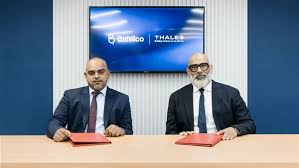
 Batelco, part of the Beyon Group, signed a collaboration agreement with Thales, a renowned company in advanced technologies. The agreement was signed by Batelco CEO, Maitham Abdulla and Guillaume Lafaix, VP Connectivity Solutions at Thales in the presence of senior management from both entities. The signing took place during GITEX Global 2024 held at Dubai World Trade Centre, UAE from 14-18 October.

As a result of the collaboration, Batelco will deliver an advanced IoT (Internet of Things) connectivity management platform designed to transform the management of IoT devices for business owners. This platform simplifies managing connections and rules for multiple users across different use cases, helping businesses improve their IoT operations.

Moreover, the platform will enable business owners to centralize their data while significantly improving data communication and transfer capabilities. It ensures low latency, and better-quality data transmission, maximizing network capacity, all at a minimal cost.

Commenting on the partnership, Batelco CEO, Maitham Abdulla said, “We are thrilled to collaborate with Thales, a global leader in secure solutions for a connected world. This collaboration allows us to provide our customers with a cutting-edge IoT management solution that will significantly support their business operations and digital transformation efforts. By combining Batelco’s connectivity expertise with Thales’ advanced IoT technology, we can deliver a comprehensive platform that simplifies the management of data and IoT devices, driving enhanced efficiency and productivity for our customers.”

From his end, Guillaume Lafaix, VP Connectivity Solutions at Thales said We are honored to collaborate with Batelco, Bahrain’s first and leading telecommunications company, and bring decades of knowledge in connectivity management to their customers. Indeed, integrating Thales IoT connectivity solutions within Batelco’s offering would provide its clients with an advanced platform for seamless and secure management of IoT device connectivity.”

For more information, customers are welcome to contact Batelco’s dedicated sales team at 101.

Economists urge nations to reimagine concepts of growth at Global Future Councils

Economists urge nations to reimagine concepts of growth at Global Future Councils

In a panel titled “Reimagining Growth”, academics and economists deliberated how countries should measure their success in world increasingly defined by environmental decline and geopolitical fragmentation, stressing the need for quality of growth as well as quantity.

Paul Gruenwald, Global Chief Economist, S&P Global, emphasized the need to cultivate an inclusive, sustainable economic landscape: “When we think about growth, we typically focus on capital – physical capital – like investments in infrastructure. The problem, however, is that while physical capital and GDP were rising, another form of capital – natural capital, which includes biodiversity and ecosystems – was declining. We’re not suggesting that we should forgo growth; rather, we need to ensure that growth is sustainable and takes natural capital into account.”

He added: “The good news is that in most industrialized countries, emissions have become decoupled from growth, so we’re seeing economic growth while emissions decrease. That’s a positive step for sustainable growth.”

The conversation also touched on trade and globalization with Kellee Tsai, Dean, College of Social Sciences and Humanities, Northeastern University, stating: “I believe the impact of industrial policy is largely driven by geopolitics and, as such, enhancing supply chain resilience is critical. There’s a lot of discussion about competition and potential mobilization, but it’s important to note that the data shows globalization is not coming to an end; instead, what we’re seeing is fragmentation along regional and geopolitical lines.”

Meanwhile, Mona Haddad, Global Director, Trade, Investment and Competitiveness, World Bank, commented: “Developing countries have long sought to open their markets, increase exports, and attract foreign investment to boost employment, productivity, and growth. However, today’s world is vastly different, with markets no longer as open and globalization not functioning as it once did.

“From a developing country’s perspective, four key challenges stand out: geopolitical tensions are hindering full integration into global value chains; climate change policies favoring developed nations are making it difficult for developing countries to comply; technology offers opportunities but requires robust IT infrastructure; and the rise of industrial policies in developed nations is creating a widening gap, favoring wealthier countries.”

Eric Parrado, Chief Economist and General Manager, Research Department, Inter-American Development Bank, spoke on how AI could impact national growth stories: “AI’s impact on employment could be significant, affecting millions of people in a single year. However, this doesn’t mean jobs will be replaced, but rather exposed to AI. That’s why we need a clear strategy to integrate AI into schools, focusing on training and upskilling as part of a broader approach to embracing technological advancements.”

AMGFC24, hosted by the UAE Government in partnership with World Economic Forum (WEF) takes place in Dubai this week. The meetings will help the agenda for the 2025 WEF Annual Meeting in Davos in January.

PUMA CHAMPIONS STREET CRICKET IN UAE WITH PLAY THE CITY’ INITIATIVE

In the UAE, street cricket is more than just a game; it symbolizes passion and play. PUMA connects with this vibrant culture through its Play The City initiative, celebrating the unsung heroes of street cricket across the region.

For many expatriates, street cricket is more than a pastime. Each weekend, 20,000 to 25,000 residents gather at around 2,000 makeshift pitches, making this cherished tradition often overlooked in mainstream narratives. PUMA’s Play The City campaign highlights local street cricket teams, such as OGS X1, Dubai Commandos, Blitz Boss Royals, Hashmi CC, United Pro X1 and Little Masters. These teams have built strong bonds through their love for the game, representing the rich street cricket culture in the UAE.

“The ‘Play The City’ initiative has given us a voice, showing that street cricket is more than just a game—it’s our culture,” said Saheer from OGS X1. “PUMA’s involvement has transformed our passion into something recognized across the city. This initiative makes us feel part of something bigger.”

In Dubai’s urban sprawl, players find space wherever they can—from car parks to sandy lots—wearing everything from track pants to kurta-pyjama. They embody the spirit of Play The City, overcoming obstacles to keep their love for the sport alive.

To celebrate this, PUMA designed jerseys that give players a sense of ownership. The jerseys draw inspiration from the neighborhoods where the pitches are located, blending local patterns that capture the community’s essence. PUMA also equipped teams with tools to claim their arenas, officially recognizing their grounds through Google Street View. This allows teams to assert their identity, like professional teams with stadiums, and lets viewers explore these locations on Google Maps.

“Street cricket isn’t just a sport; it’s a way of life. Those in this community know what it means to compromise to make the game happen,” Johan Kuhlo, Managing Director GCC at PUMA. “Through Play The City, we aim to capture the spirit of street cricket by highlighting those who transform any open space into a field. We hope to ignite a deep sense of pride among players.”

As Play The City gains momentum, PUMA plans to expand beyond street cricket in the UAE. The goal is to connect with communities passionate about grassroots sports globally. Whether it’s football, basketball, or rugby, PUMA aims to honor local athletes and the spaces they cherish, fostering community engagement and resilience.

The campaign launches in Dubai alongside the debut of PUMA cricket equipment, marking its entry into the UAE. The BurJuman store, opening on the 18th October will feature a cricket section among its sports offerings.

Through Play The City, PUMA is committed to celebrating street cricket while creating a sense of community and belonging throughout the UAE and beyond.

New Murabba Reaches New Heights: Over 10 million Cubic Meters Excavated with 3 million Safe Work Hours

New Murabba Reaches New Heights: Over 10 million Cubic Meters Excavated with 3 million Safe Work Hours

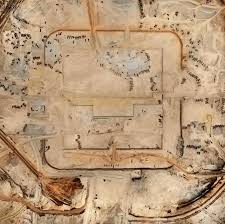
New Murabba Development Company, a PIF Company, today announced major progress in the creation of this groundbreaking urban destination. Excavation at the iconic Mukaab and surrounding podium sites has reached 86% completion, with over 10 million cubic meters of earth moved. This achievement underscores the rapid pace of development and strong commitment to delivering the world’s largest, modern, downtown.

The monumental scale of this undertaking has been matched only by its unyielding commitment to worker safety. With over 3 million safe work hours logged to date, the development stands as a testament to prioritizing the well-being of those who are helping to build Riyadh’s new downtown. This accomplishment reflects a core value held throughout New Murabba, that progress and safety go hand in hand.

“These milestones are a testament to the dedication and skill of our team, and our ambition to build a world-class destination that prioritizes both innovation and the well-being of our workforce.  We are proud of the progress made at New Murabba, and excited to continue shaping the future of Riyadh”, said Michael Dyke, CEO of New Murabba Development Company.

The recent progress that New Murabba made highlights the team’s effort during the excavation process. One crucial element of the development is the focus on environmentally friendly methods for managing the excavated materials. The excavation process required the daily use of approximately 250 excavators and over 400 pieces of equipment to effectively manage the extensive excavation work. This serves to underline the considerable scale and magnitude of the operation.

New Murabba will also construct a temporary bridge that will serve as a critical enabler, connecting the construction site by crossing King Khalid Road. This connection will facilitate ongoing development and pave the way for the initiation of Mukaab piling in the coming months. The bridge is expected to reduce approximately 800,000 truck movements on public roads for earthworks alone, showcasing a positive impact on the surrounding infrastructure. With around 900 workers on-site daily, work is advancing rapidly, bringing the destination closer.

“We are committed to sustainability, efficient resource utilization, and having a positive influence on local infrastructure. Moreover, we are dedicated to being a part of a new dawn for urban development in Riyadh, the Kingdom, and beyond”, Dyke concluded.