
Home Blog Page 14

Minister of Health of Saudi Arabia Honors Regional Healthcare Leaders at the Forbes Middle East Healthcare Innovation Circle in Riyadh

Minister of Health of Saudi Arabia Honors Regional Healthcare Leaders at the Forbes Middle East Healthcare Innovation Circle in Riyadh
  • Forbes Middle East recognized trailblazers in the healthcare sector for their outstanding contributions to advancing innovation and sustainable growth.
  • The event was organized in collaboration with Health Holding Company as part of GHE’s Investors X Ventures Stage.
  • Summit sessions delved into Saudi Arabia’s ongoing healthcare transformation and the pivotal role of technology in enhancing the quality and accessibility of care.

In the presence of H.E. Fahad bin Abdulrahman Aljalajel, Minister of Health of Saudi Arabia and Chairman of the Board of the Health Holding Company, Forbes Middle East recognized the region’s top healthcare changemakers in an exclusive awards ceremony for their outstanding contributions to advancing the sector and fostering innovation and sustainability. The event gathered an esteemed audience of CEOs, executives, and experts from across Saudi Arabia and beyond.

Held as part of the closing day of the Global Health Exhibition 2025, the event honored Nasser Al Huqbani, CEO of the Health Holding Company, as the leading figure on the Top Healthcare Leaders 2025: The Executives list. The recognition celebrates his exceptional leadership in enhancing the quality of healthcare services across Saudi Arabia through the Saudi Model of Care implemented in 20 health clusters, advancing preventive care initiatives focused on early detection and periodic screening, and overseeing the Kingdom’s health transformation program encompassing over 2,000 primary care centers and 4,000 hospitals with a total capacity exceeding 44,000 beds.

Placing second is Mohammed bin Khalifa Al Suwaidi, Managing Director of Qatar’s Hamad Medical Corporation, the group includes several hospitals, a national ambulance service, mental health, and home & residential care services. In October 2025, HMC opened the Geriatric Musculoskeletal Physiotherapy Clinic at the Qatar Rehabilitation Institute. In H1 2025, HMC offered over 2.4 million direct patient encounters, 196,718 interventions and 209,071 ambulance operations among other services. 

Rounding up the top three is Saeed Jaber Al Kuwaiti Group CEO at the UAE’S SEHA. The company operates over 14 hospitals and healthcare centers with 2,699 beds and manages four hospitals under the Sheikh Khalifa Foundation.

The awards ceremony took place at the main stage as part of the Forbes Middle East’s Healthcare Innovation Circle, held in collaboration with Health Holding, the largest health provider in Saudi Arabia, at the Investors X Ventures Stage, during the 8th edition of the  Global Health Exhibition (GHE), in Riyadh.

The event spotlighted visionary leaders driving the Middle East’s healthcare transformation through groundbreaking initiatives in medical artificial intelligence, local pharmaceutical manufacturing, preventive care, and human capital development. Their efforts reflect the ambitions of Saudi Vision 2030 and the Health Sector Transformation Program, placing people at the heart of a sustainable, patient-centered healthcare ecosystem built on innovation and impact.

“This recognition celebrates the leaders shaping the future of healthcare in the region through innovation, collaboration, and investment in people,” said Khuloud Al Omian, CEO and Editor-in-Chief of Forbes Middle East. “Through the Healthcare Innovation Circle, we reaffirm Forbes Middle East’s commitment to fostering dialogue between decision-makers, investors, and innovators to build a more sustainable and efficient healthcare ecosystem—one that is ready to meet the challenges of the future.” 

Notable speakers included Dr. Khalid Bin Adnan Al Burikan, Deputy Minister of Investment at the Ministry of Health, Saudi Arabia; Dr. Nahar Al-Azemi, Secretary General of the Saudi Health Council; Dr. Khalid Al-Shaibani, CEO of the Health Sector Transformation Program; and Dr. Abdullah Algwizani, CEO of the Public Health Authority of Saudi Arabia; Dr. Fouziyah Al-Jarallah, Owner and Group CEO of Hayat National Hospitals Group; and Alisha Moopen, Managing Director and Group CEO of Aster DM Healthcare. 

Through a series of insightful discussions, the circle spotlighted key pillars in Saudi Arabia’s transformative journey toward achieving its Vision 2030 goals. Experts deliberated over the future of the Kingdom’s healthcare landscape, from bold policies and transformative strategies to innovation and infrastructure investment. The sessions examined the role of public-private partnerships in accelerating progress, while showcasing the technological and medical advancements reshaping patient experiences and enhancing the quality of care. Discussions also delved into developing healthcare talent, fostering a culture of excellence, advancing medical tourism and wellness programs, and the growing impact of AI on operational efficiency. Additionally, participants addressed the outlook for local pharmaceutical manufacturing and the expansion of access to regional and global markets. 

For the Healthcare Innovation Circle, Forbes Middle East collaborated with leading partners, including Hayat National Hospitals Group, Jamjoom Pharma and Viatris. The event took place on the fourth day of the 8th edition of the Global Health Exhibition (GHE) 2025 at the Riyadh Exhibition and Convention Center (Malham), held from October 27 to 30, 2025, under the patronage of Saudi Arabia’s Ministry of Health and supported by Vision 2030 and the Health Sector Transformation Program.

The Health Holding Company is a national institution dedicated to delivering comprehensive and integrated healthcare through 20 health clusters spanning all regions and cities of the Kingdom. Guided by the Saudi Model of Care, the company places the individual at the heart of its mission, transforming service delivery, prioritizing prevention over treatment, and ensuring easier access to care. Its efforts align with the objectives of Saudi Vision 2030, aiming to elevate the quality and efficiency of healthcare services nationwide.

One of the largest specialized healthcare exhibitions in the world, GHE brought together more than 500 speakers and over 2,000 exhibiting brands, representing a diverse cross-section of global healthcare sectors. International giants such as GE HealthCare, Siemens Healthineers, Fujifilm, Johnson & Johnson, Danaher, BD, Olympus, Karl Storz, Stryker, Zimmer Biomet, Novo Nordisk, Paxera Health, DaVita, and Samsung were among the leading participants.
A People-First Shift: Invest Bank Appoints Ali Sajwani as Chief Human Capital Officer

A People-First Shift: Invest Bank Appoints Ali Sajwani as Chief Human Capital Officer

Invest Bank today announced the appointment of Ali Sajwani as Chief Human Capital Officer (CHCO), a move that underscores the bank’s bold commitment to putting people and leadership at the center of its transformation.

With over 25 years of experience in financial institutions across the region, Ali brings deep insight into building strong cultures, shaping high-impact leadership teams, and aligning people strategy with performance. He joins Invest Bank at a defining moment, as the institution continues its journey to become more agile, future-fit, and talent-driven.

Edris Al Rafi, CEO of Invest Bank, said:
“Great institutions are built on great people. Ali’s appointment reflects our belief that human capital is not a function, it’s a force. We are excited to welcome a leader who understands how to unlock potential, drive change, and build a culture that empowers everyone to lead from where they stand.”

Ali’s career spans nationalization initiatives, cultural transformation, leadership development, and organizational restructuring, all rooted in a people-first mindset. At Citibank, he helped shape workforce strategies that responded to evolving business needs while reinforcing long-term leadership pipelines. His style is defined by clarity, collaboration, and a focus on measurable impact.

In line with this leadership appointment, the bank’s HR function will now formally adopt the name Human Capital, a shift that reflects the strategic value the bank places on people as the drivers of performance, innovation, and resilience.

Ali’s appointment is the latest in a series of executive moves designed to strengthen the bank’s foundation, deepen internal capabilities, and ensure the right leadership is in place to support its long-term vision.

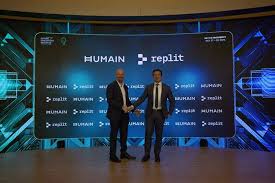
HUMAIN and Replit Partner to Build a Nation of AI Coders and Accelerate AI Innovation Across the GCC

HUMAIN and Replit Partner to Build a Nation of AI Coders and Accelerate AI Innovation Across the GCC

  HUMAIN, a global AI company building the full AI stack and backed by the Public Investment Fund, today at the 9th edition of the Future Investment Initiative (FII9) a strategic partnership with Replit, the fastest growing agentic AI software creation platform, to empower a new generation of AI-native developers across a variety of the Gulf Cooperation Council (GCC) during the 9th edition of the Future Investment Initiative.

This announcement comes after the launch of HUMAIN in May 2025, where the partnership with Replit was originally announced during the Saudi-U.S. Investment Forum. The collaboration is aligned with Saudi Arabia’s vision to nurture homegrown AI talent, aiming to turn the Kingdom into a “Nation of AI Coders,” where every student, entrepreneur, small business, and enterprise knowledge worker can build applications from natural language. Together, HUMAIN and Replit are on a mission to make coding as natural as writing, enabling developers across the region to build, deploy, and scale software powered by AI.

Replit is an enterprise-ready agentic AI software creation platform enables any person, regardless of experience, to build software for their personal life or business. The partnership highlights early enterprise adoption in government, education, and financial services, demonstrating that the platform is no longer just for hobbyists but ready for production-grade use.

This long-term partnership combines HUMAIN’s deep AI ecosystem with Replit’s developer platform to establish the foundation for regional AI sovereignty and innovation. By fostering local talent, supporting sovereign AI infrastructure, and enabling GCC nations to build their own software future, the collaboration sets the stage for a new era of AI-driven growth across the region.

Amjad Masad, CEO of Replit, said “This partnership is deeply personal for me.  The first version of Replit was built in the Middle East, and now we’re coming full circle to help empower a new generation of AI coders here. Together with HUMAIN, we’re making it possible for anyone in the GCC, from students to enterprises, to go from idea to working software using natural language. This is how we unlock a true AI-native developer movement and build the foundation for the region’s software future.”

“This partnership will shape the future of the digital economy in Saudi Arabia and across the GCC. Together with Replit, we are building the foundation for sovereign AI innovation, empowering every student, developer, and enterprise to create with AI. Our vision is to make the Kingdom a true ‘Nation of AI Coders,’ where innovation is born locally and scales globally.”

This initiative represents a milestone in HUMAIN’s mission to democratize AI and developer tools, positioning Saudi Arabia as a global hub for AI innovation and a breeding ground for the next generation of AI coders.

With Private Equity Investment Heating Up in the Advertising Sector, SQUAD M&A Launches

With Private Equity Investment Heating Up in the Advertising Sector, SQUAD M&A Launches

With private equity and global networks intensifying their investment in the marketing, data, tech and communications sector, a new specialist advisory firm, SQUAD M&A, has launched to guide independent creative, PR, media, tech and digital agencies through the complexities of sale, merger, or partnership, and to support Private Equity, Global Agencies and independents to identify and integrate acquisitions.

Founded by Virginia Hyland, considered a pioneer in the industry, ex-CEO of Havas Media ANZ, ex-Deputy Chair of the Media Federation of Australia and Founder of independent agency Hyland Media. SQUAD M&A brings together senior experts in commercial strategy, financial structuring, and legal negotiation to ensure every transaction achieves the right financial and cultural fit.

“I have experienced the entire journey of a founder from building and selling my business to Havas and I’ve walked in the shoes of the seller and the acquirer after overseeing the acquisition of Hotglue by Havas in 2024. Selling an agency is one of the most significant milestones in a founder’s career,” said Virginia Hyland, CEO & Founder of SQUAD M&A. “Our mission is to ensure that independent agency owners find the right acquirer — one that values their vision, is supportive and collaborative, aligns culturally, and creates the foundation in partnership for continued growth on a global stage.”

The firm’s leadership team brings decades of combined experience in global mergers & acquisition and agency operations, uniting deep industry knowledge with hands-on dealmaking expertise.

Vince Meoli, Financial Partner at SQUAD M&A, has over 30 years’ experience as CFO for global holding companies, including WPP and Omnicom, industry bodies such as the AANA and leading independent agencies.

“Understanding the true financial narrative of an agency is critical to attracting the right partner,” said Vince Meoli. “We help founders optimise their financial position and present a compelling growth story that resonates with sophisticated buyers and investors.”

Stephen von Muenster, Legal Partner at SQUAD M&A and one of Australia’s most prominent and experienced commercial and IP lawyers in the media and communications industry, has advised on and provided support to numerous high-profile acquisitions for over two decades including Match Media, Ikon Communications, Emotive, Mercer Bell, 303 MullenLowe, Mumbrella, Four Pillars, Orchard Advertising, N2N Communications and Bastion Branding as well as supporting the Media Federation of Australia to develop benchmark and best practice advertiser contract clause banks.

“The success of any M&A transaction lies in the structure of the agreement,” said Stephen von Muenster. “Our goal is to protect founders’ interests while crafting deals that set the stage for long-term success and cultural alignment. I dedicate time with the Founders, Shareholders and Acquirers to build trusted relationships leading to valuable contractual agreements long after the deal is done.”

The leadership team will also collaborate with CREATIVITY & COMMERCE founder Justin Drape to provide further creative industry knowledge and entrepreneurial experience when required.  

As consolidation accelerates across the marketing industry, SQUAD M&A uniquely provides independent agencies and acquirers with a strategic advantage — combining legal precision, financial benchmark negotiations, and commercial strategic insight under one advisory team.

SQUAD M&A offers services spanning:

  • Market positioning and valuation
  • Buyer and investor targeting – global and local
  • Strategic business structure insight
  • Financial and commercial negotiation
  • Legal structuring and due diligence
  • Cultural and leadership alignment

Publicis Groupe Middle East and Altibbi Announce Partnership to Unlock Data-Driven Healthcare Solutions in MENA

Publicis Groupe Middle East and Altibbi Announce Partnership to Unlock Data-Driven Healthcare Solutions in MENA

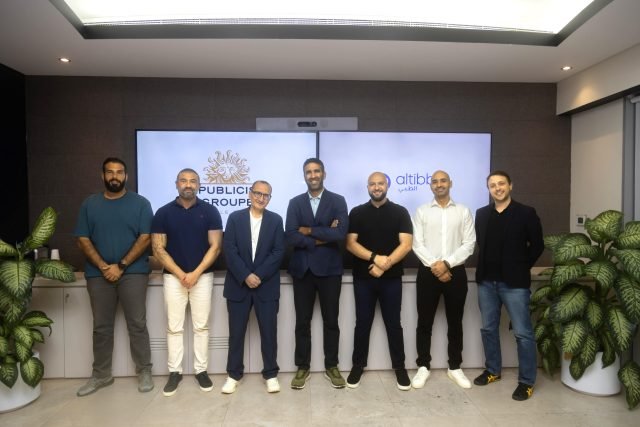
Publicis Groupe Middle East and Altibbi, the region’s leading Arabic-first digital health platform, have announced a strategic partnership aimed at building more personalised, data-informed healthcare communications in the region.

This partnership marks a significant step forward in how healthcare brands can engage meaningfully with audiences across the Middle East, leveraging the combined strengths of Altibbi’s digital health ecosystem and Publicis Groupe’s media, data, and technology capabilities.

At its core, the partnership addresses a persistent challenge: most global healthcare marketing in MENA relies on direct translation rather than authentic cultural connection with Arabic-speaking audiences. With Arabic as the primary language for more than 400 million people, the collaboration sets a new model for culturally intelligent healthcare marketing in the region.

The partnership is designed to create new value for healthcare and pharmaceutical clients by offering hyper-personalised solutions at scale. With over 30 million monthly users and an ecosystem that includes over two million doctor-reviewed Arabic health pages and Sina, its AI healthcare assistant, Altibbi brings a deep understanding of regional health behaviour and audience insights.

By connecting this with Publicis Groupe’s planning and buying capabilities, the collaboration allows for more contextually relevant, data-informed activations, without compromising on user trust or data ethics. The platform’s intent-driven demand is organized into precise audience segments by medical topic, age group, and country, giving healthcare brands the ability to reach patients at the exact moment they are searching for trusted information.

Bassel Kakish, Chief Executive Officer, Publicis Groupe ME&T said: “Our role is to connect the right capabilities to the right opportunities for our clients. Altibbi’s deep regional health expertise, combined with our data and AI infrastructure, creates a platform for healthcare brands to communicate with precision and cultural relevance, while giving them the scale, governance, and measurable outcomes needed to compete in an increasingly complex market.”

Jalil Allabadi, Co-founder and CEO of Altibbi, said:Altibbi serves 30 million people monthly because effective healthcare communication in Arabic requires cultural fluency, not just linguistic adaptation. This partnership gives us global infrastructure to help healthcare brands connect authentically with Arabic-speaking patients. By combining our regional health insights with Publicis’ media expertise, we are creating campaigns that speak to how people live and make health decisions.”

While the initial focus is on advertising and strategic media solutions, both organisations have expressed a longer-term vision to co-create value beyond placements. The partnership is now rolling out tailored campaign support, digital engagement tools, and audience insights, with healthcare and pharmaceutical clients engaging in initial activations focused on chronic disease, women’s health, and weight management.

Importantly, the partnership allows brands to tap into Altibbi’s vast traffic and behavioural data to reach highly relevant audiences, particularly in markets like Saudi Arabia, where Altibbi is licensed to provide healthcare services through licensed doctors. This is expected to bring new precision to healthcare marketing in the region, without resorting to over-personalised or sensitive data disclosures.

Both companies bring complementary strengths to the table. Altibbi’s commitment to Arabic-language, culturally attuned healthcare access and its investment in proprietary AI like Sina align with Publicis Groupe’s global shift toward data and AI-powered transformation. The partnership builds on Saudi Arabia’s Vision 2030, which aims to digitize 70 percent of patient activities by 2030, as the MENA digital health market continues growing at nearly 20 percent annually through 2030.

Velents Raises $1.5 Million and Launches Agent.sa, the First Fully Arabic AI Employee

Velents Raises $1.5 Million and Launches Agent.sa, the First Fully Arabic AI Employee

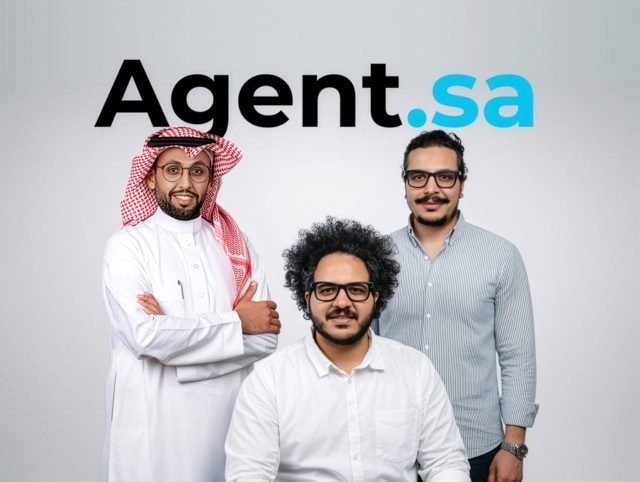
Velents.ai, a rising startup specializing in enterprise AI solutions, has closed a $1.5 million funding round as it unveils Agent.sa, the first fully integrated Arabic-speaking AI employee designed for companies across the Middle East.

The round attracted prominent angel investors, including senior executives from Google, BCG, and other global firms. Velents is already preparing for a new funding round, expected to close in early 2026.

Founded by entrepreneurs Mohamed Gaber and Abdulaziz Almuhaydib, Velents is powered by a joint Egyptian-Saudi team. Originally focused on recruitment, the company relaunched in 2023 with a broader mission: to help organizations attract top talent through AI-driven digital solutions. Since then, it has secured clients across Egypt and Saudi Arabia, from private companies to universities and government ministries, and has seen rapid growth following the rollout of AI-powered agents in customer service, sales, and quality assuran

King Salman International Airport Unveils Its Brand Identity Under the tagline Your Journey ..Your Destination

King Salman International Airport Unveils Its Brand Identity Under the tagline Your Journey ..Your Destination

King Salman International Airport Development Company – a PIF company – today officially unveiled the brand identity for King Salman International Airport (KSIA), This marks a key milestone in the journey to deliver one of the world’s most advanced and ambitious aviation projects.

Launched under the tagline “Your Journey ..Your Destination.” the new brand reflects KSIA’s commitment to transforming the experience through innovation, sustainability, and passenger–first design. As the future gateway to Riyadh and a centerpiece of Saudi Arabia’s Vision 2030.

On this occasion, Marco Mejia, Acting CEO of KSIADC, emphasized that the brand reveal marks a pivotal moment in the company’s journey to build a next–generation airport. The focus is on innovation, advanced digital infrastructure, and seamless integration with the city of Riyadh – positioning KSIA not just as a transit point, but as a unique destination in its own right.

The brand launch marks a new chapter in the airport journey, as development gains momentum and preparations advance for several key public-facing milestones. Rooted in four brand values – Humanly Driven, Effortlessly Simple, Timelessly Innovative, and Distinctively Local – the KSIA identity speaks to the project’s ambition to redefine how airports serve travelers and communities.

KSIA will span 57 km², featuring six runways and nine passenger terminals, and is projected to accommodate over 100 million passengers and two million tons of cargo annually by 2030. Economically, the airport is expected to contribute around SR27 billion per year to Saudi Arabia’s non-oil GDP. Its commercial zones and advanced logistics facilities will support regional growth and strengthen the Kingdom’s position as a global hub for tourism, business, and investment.

As a wholly owned company of the Public Investment Fund (PIF), King Salman International Airport Development Company is leading the project’s execution with a mandate to deliver international standards of excellence in design, technology, and environmental performance. 

International Islamic Trade Finance Corporation (ITFC) Expands Strategic Cooperation with Hamkorbank through an Additional US$30 Million Syndicated Line of Financing Facility

International Islamic Trade Finance Corporation (ITFC) Expands Strategic Cooperation with Hamkorbank through an Additional US$30 Million Syndicated Line of Financing Facility

The International Islamic Trade Finance Corporation (ITFC) (www.ITFC-IDB.org), a member of the Islamic Development Bank (IsDB) Group, and Joint-Stock Commercial Bank with Foreign Capital Hamkorbank, have reinforced their partnership through the signing of an increase in the Line of Trade Financing Agreement, with an additional US$30 million.

The signing ceremony took place at ITFC Headquarters in Jeddah, Saudi Arabia, during the official visit of a high-level delegation from Hamkorbank. The agreement was signed by Eng. Adeeb Y. Al Aama, CEO of ITFC, and Mr. Bakhtiyorjon Juraev, Chairman of the Management Board of Hamkorbank, in the presence of senior officials from both institutions.

This facility brings the total financing between ITFC and Hamkorbank to US$90 million, marking the highest stand-alone ITFC private sector facility in Uzbekistan. The expanded collaboration aims to support SME and private sector growth, promote women’s entrepreneurship, foster green finance, and enhance food security, in alignment with Uzbekistan’s national development priorities.

The financing is part of the US$600 million Framework Agreement signed between the Republic of Uzbekistan and ITFC in March 2024. The Framework Agreement prioritizes support for the private sector and SMEs through trade finance facilities, reaffirming ITFC’s commitment to enhancing economic resilience and promoting sustainable growth in Uzbekistan.

On this occasion, Eng. Adeeb Y. Al Aama, CEO of ITFC, commented: “This expanded partnership with Hamkorbank reflects ITFC’s strong commitment to deepening private sector support and advancing Islamic finance in Uzbekistan. By extending this new facility, we are enabling greater access to trade finance for SMEs and contributing to the country’s efforts to build a more inclusive and sustainable economy.”

Mr. Bakhtiyorjon Juraev, Chairman of the Management Board, JSCB Hamkorbank, stated: “We are delighted to have reached this significant agreement with ITFC, with a total exposure of US$90 million. This collaboration will play a crucial role in supporting and expanding Hamkorbank’s Islamic Financing portfolio, which aligns with our commitment to providing ethical and innovative financial solutions. We believe that this partnership will not only enhance our service offerings but also contribute to the growth of key sectors within the region. We look forward to a long and successful relationship with ITFC as we continue to support sustainable economic development.”

Uzbekistan became a member of ITFC in 2019, and since then, ITFC has played a pivotal role in supporting the country’s trade finance needs, advancing the private sector, and promoting access to Shariah-compliant financial solutions by approving a cumulative US$950 million in favour of the banks in the country.

Distributed by APO Group on behalf of International Islamic Trade Finance Corporation (ITFC).

ARTHUR D.LITTLE: GCC’S TRADE AMBITIONS HINGE ON THE FINE PRINT OF TRADE AGREEMENTS 

ARTHUR D.LITTLE: GCC’S TRADE AMBITIONS HINGE ON THE FINE PRINT OF TRADE AGREEMENTS 

In UAE, non-oil exports excluding re-exports climbed from USD 65bn in 2019 to USD 150bn in 2024, a 130% jump

The Gulf Cooperation Council’s (GCC) growing network of free trade agreements (FTAs) could redefine the region’s economic future, but only if their design matches their ambition. A new study by Arthur D. Little (ADL) highlights that while new trade frameworks promise to expand market access, their long-term value will depend on the quality of the Rules of Origin (RoO) and Product-Specific Rules (PSRs) that determine who truly benefits. These provisions decide whether a product qualifies for preferential tariffs, shaping export competitiveness and protecting or exposing emerging local industries.

For the GCC – and particularly for the UAE, which is advancing multiple FTAs and Comprehensive Economic Partnership Agreements – the immediate test is ensuring that new trade deals strengthen local industries instead of diluting them. GCC non-oil exports have risen from USD 330 billion in 2018 to USD 411 billion in 2023, a near 25% increase in five years. Imports, however, have grown even faster – from USD 512 billion to USD 804 billion during the same period – widening the region’s non-oil trade deficit. In the UAE alone, non-oil exports excluding re-exports climbed from USD 65 billion in 2019 to USD 150 billion in 2024, marking a 130% increase in five years. These figures highlight the importance of designing future agreements that translate headline growth into sustainable, broad-based economic gains.

Rony Najem, Principal at Arthur D. Little Middle East, said “Balanced provisions and product specific rules enable Free Trade Agreements to deliver substantialbenefits — fostering growth by promoting exports and safeguarding local industries.”

The report, Redefining Free Trade Agreements, finds that poorly structured RoO can neutralize the advantages that FTAs are meant to deliver. They can block exporters from claiming tariff preferences or allow goods with minimal local value-add to enter duty-free, eroding domestic production. 

Conversely, well-designed RoO can unlock new export sectors, stimulate investment, and strengthen the manufacturing base. The study illustrates this through two global examples that show how the fine print determines success. Under the ASEAN–India FTA, bilateral trade increased from USD 40 billion in 2009 to USD 102 billion in 2023 – a 250% rise – but India’s trade deficit with ASEAN widened by 260%, prompting a policy rethink. In North America, the shift from NAFTA to the US–Mexico–Canada Agreement raised local value requirements for vehicles from 62.5 to 75%, triggering a sixfold increase in manufacturing investment between 2018 and 2022.

The report introduces a data-driven framework designed to turn free trade negotiations into instruments of industrial strategy. It equips policymakers with a structured way to shape product-specific rules (PSRs) around real production capacity, supply chain dynamics, and national development goals. By aligning the rules of each product with its economic role, governments can decide where openness will accelerate exports and where stricter thresholds are needed to nurture local value creation. The result is a clearer, more enforceable trade system – one that rewards genuine regional integration and limits the loopholes that allow tariff circumvention.

Serge Accary, Manager at Arthur D. Little Middle East

Serge Accary, Manager at Arthur D. Little Middle East, said “Defining Product Specific Rules requires a scientific, data-driven approach that considers product competitiveness, localization potential, and national priorities.”

The study positions the GCC’s trade agenda – spanning active FTAs with Arab partners, Singapore, and EFTA, signed frameworks with Pakistan, New Zealand, and South Korea, and ongoing negotiations with the UK, China, Japan, Türkiye, and Indonesia – as a moment of both opportunity and accountability. With diversification and industrial resilience at the core of regional policy, the outcome of these negotiations will depend less on their geographical coverage than on the rigour of their design.

To read the full report, click here.

Cercli Raises $12M Series A for AI-Native Workforce Platform, Marking Picus Capital’s First MENA Investment

Cercli Raises $12M Series A for AI-Native Workforce Platform, Marking Picus Capital’s First MENA Investment
  • Cercli’s revenue grows 10x in the past 12 months as enterprises embrace generational shift to singular AI-native systems of record across their HR tech stack
  • Cercli processes over $100 million in payroll across 50+ countries
  • Picus Capital’s first Middle East & North Africa investment signals major VC confidence in MENA tech ecosystem
  • Funding will accelerate product development, geographic expansion, and team growth as MENA HR software market reaches $5.8 billion

 Cercli (www.cercli.com), the modern platform for enterprises to hire, manage, and pay their global workforce in the age of AI, has announced a $12 million Series A round led by Germany headquartered Picus Capital. The round also saw participation from Knollwood Investment Advisory, existing investors Y Combinator, Afore Capital, and COTU Ventures who doubled down on their conviction in Cercli’s momentum, as well as individual investors including Prabhakar Reddy from OpenFX, Jaime Arrieta from Buk, Marco Ogliengo and Francesco Scalambrino from Jet HR, Francesco Simoneschi from Truelayer, Mehdi Ghissassi from AI71.

This investment marks the first in the Middle East & North Africa (MENA) for Picus Capital, which manages assets over $1 billion across its portfolio. Picus is invested in global HR SaaS businesses including Personio, Multiplier, Deel, Maki, and JetHR, all category leaders in their respective regions. This deal marks a continuation of Picus’ sector strategy into one of the world’s fastest-growing technology markets, as Cercli aspires to create the single platform for enterprises to manage their people, data and agents in the AI era.

Over the past 12 months, Cercli has achieved 10x revenue growth with its customer base ranging from startups to large multinational corporations, including Vision Bank, Backlite Media (part of Abu Dhabi listed Multiply Group), Global Climate Finance Centre, Huspy, Lean Technologies and Ziina.  The company has processed payroll distributions across 50 countries, totaling over $100 million in employee salaries in the past 12 months, servicing enterprises that range from 25 to 1,000 employees in the MENA region and beyond.

“The growth momentum we’ve seen in the past 12 months has been remarkable and played a key role in attracting talent, customers and investors,” said Akeed Azmi, co-founder and CEO of Cercli. “Businesses recognise the benefit of a unified platform as a single source of truth in managing their greatest asset, their people. For us, it’s an exciting time to be building for the AI era, as there is a once in a lifetime opportunity to disrupt the 800 pound gorillas in the ERP market that was long held untouchable by the likes of Workday, SAP and Oracle.”

With 22% MoM growth, Cercli is addressing the $5.8 billion HR software market opportunity in MENA, with enterprises still using legacy ERP systems which haven’t evolved for the needs of the modern workforce. The regional market is experiencing rapid modernization, with Saudi Arabia’s Vision 2030 program alone driving over $500 billion in economic projects requiring modern workforce management capabilities.

Cercli’s AI strategy was designed to first deploy internal AI solutions, which enabled new products and features to be shipped faster and meet customer needs. This speed has enabled business leaders to migrate entire organisations to Cercli’s platform within 48 – 72 hours, instead of 9 months with legacy software providers, leading to increased demand from upmarket enterprises.

“Cercli has a unique founding team which is evident from the velocity of their product expansion strategy. They are shipping incredibly fast, in a region undergoing rapid transformation and a tech-savvy workforce that wants AI-native solutions for workplace management.” said Robin Godenrath. Founding Partner, Picus Capital. “We’ve seen this business model succeed globally within our portfolio, and we are excited to back Cercli as they continue to grow market share through new customers and product launches.”

As part of this investment, Cercli will focus on the development of new AI-native products and services, further building out into adjacent products as customers seek to shift to an all in one suite.

“We recognised the need to not just add new features, but to rebuild workforce management from the ground up with AI at its core,” said David Reche, co-founder and CTPO of Cercli. “This gives us a fundamental advantage in delivering the efficiency, integration and intelligence that modern businesses need. As we scale, we’re focused on attracting world-class talent from around the globe to join our mission of transforming how businesses manage their workforce – human or agentic.”

Cercli will also continue to invest in building on its commitment to attract global technology talent to the region. Since 2024, Cercli has recruited professionals from some of the world’s most recognised companies including Google, Meta, Deel, Booking.com, Rippling and Goldman Sachs.